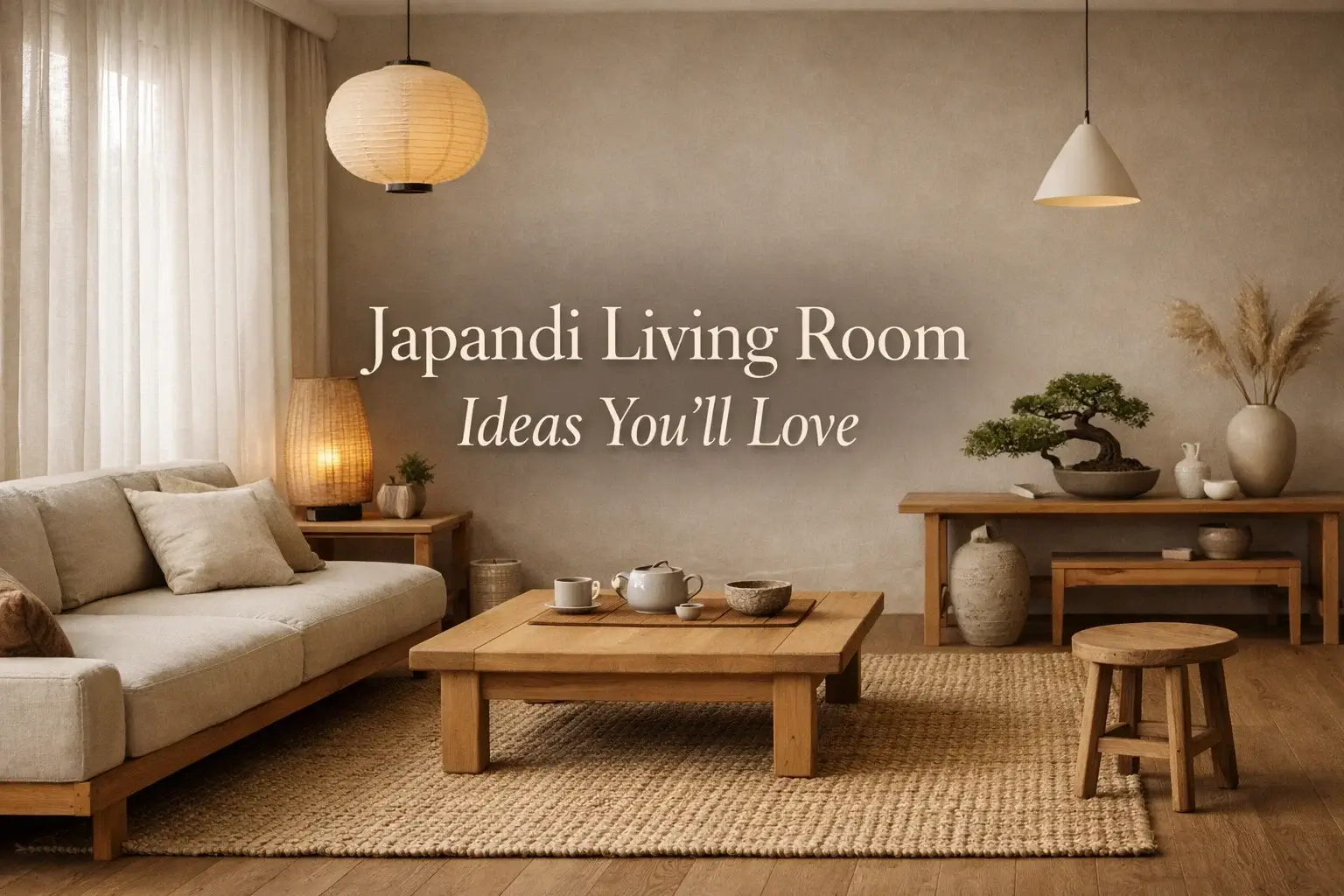
Japandi interior design has quickly become one of the most loved styles for homeowners seeking calm, balance, and warmth. This design approach blends the clean minimalism of Japanese interiors with the cozy functionality of Scandinavian style. The result is a living room that feels peaceful, uncluttered, and deeply connected to nature. Japandi spaces focus on simplicity while still offering comfort and visual interest.
A Japandi living room is not just about aesthetics; it is a lifestyle choice. It encourages mindful living, intentional furniture placement, and the use of natural materials that age beautifully over time. Neutral color palettes, handcrafted details, and soft textures work together to create an environment that feels grounded and relaxing. This makes Japandi ideal for modern homes seeking tranquility.
In this article, you will explore 12 carefully curated Japandi living room ideas that help create calm homes. Each idea is practical, timeless, and easy to adapt to different spaces. Whether you are redesigning a large living room or refreshing a small apartment, these Japandi ideas will guide you toward a serene and balanced interior.
1. Neutral Color Palette for a Japandi Living Room
A neutral color palette is the foundation of a Japandi living room. Soft shades like beige, warm white, taupe, and light gray create a soothing backdrop that instantly calms the space. These tones allow natural light to reflect gently, making the room feel open and airy. Neutral colors also help highlight textures, materials, and furniture shapes without overwhelming the senses.
Using neutral colors does not mean the room feels boring or flat. Instead, depth is created by layering slightly different tones and finishes. For example, combining warm beige walls with cream upholstery and light wood furniture adds visual interest. The key is balance and restraint, ensuring the space feels harmonious, cozy, and uncluttered.

2. Natural Wood Furniture for Warmth and Balance
Natural wood furniture is essential in Japandi living room design. Light to medium-toned woods such as oak, ash, or birch bring warmth while maintaining a minimalist aesthetic. Clean lines and low-profile furniture help create a grounded, peaceful atmosphere. Wood adds an organic feel that connects the interior to nature, which is central to Japandi philosophy.
Choose furniture pieces with simple shapes and visible wood grain to enhance authenticity. A wooden coffee table, shelving unit, or sofa frame can anchor the room without dominating it. Avoid glossy finishes and opt for matte or natural textures. This keeps the space calm, tactile, and visually balanced.

3. Low Seating for a Relaxed Japandi Atmosphere
Low seating is a signature element of Japandi living rooms, inspired by traditional Japanese interiors. Sofas and chairs with low profiles make the room feel open and grounded. This seating style encourages relaxation and creates a sense of intimacy, perfect for calm homes. It also visually lowers the center of the room, enhancing spaciousness.
Low seating works especially well in modern apartments and minimalist homes. Pair a low sofa with floor cushions or poufs for additional comfort. Keep the design simple, with neutral upholstery and natural fabrics. This approach maintains functionality while reinforcing the peaceful and uncluttered Japandi aesthetic.

4. Minimalist Furniture Layout for Calm Living
A minimalist furniture layout is crucial for achieving Japandi serenity. Instead of filling the room with unnecessary pieces, focus on essential furniture that serves a clear purpose. Open space is just as important as furniture placement, allowing the room to breathe and feel calm. This thoughtful layout promotes mindfulness and ease of movement.
Arrange furniture with intention, ensuring balance and symmetry where possible. Avoid overcrowding corners or walls. A simple sofa, a coffee table, and one or two accent chairs are often enough. This minimal approach enhances visual clarity and reinforces the tranquil essence of Japandi living rooms.

5. Earthy Textures for a Cozy Japandi Living Room
Earthy textures bring warmth and comfort to Japandi interiors without adding visual clutter. Materials like linen, wool, cotton, clay, and natural stone create a tactile experience that feels inviting and calming. These textures soften the clean lines of furniture and add subtle depth to the space.
Layer textures thoughtfully through cushions, rugs, throws, and pottery. A linen sofa paired with a wool rug and ceramic accessories creates harmony and balance. Stick to neutral or muted earthy tones to maintain cohesion. The result is a cozy yet refined living room that feels both modern and timeless.

6. Japandi Lighting with Soft and Warm Glow
Lighting plays a vital role in setting the mood of a Japandi living room. Soft, warm lighting creates a gentle and welcoming atmosphere. Paper lanterns, fabric-shaded lamps, and minimalist pendant lights are ideal choices. These fixtures diffuse light evenly, reducing harsh shadows and visual stress.
Layer lighting sources to enhance functionality and ambiance. Combine overhead lighting with table and floor lamps to create depth. Avoid overly bright or cool-toned lights, as they disrupt the calm environment. Thoughtful lighting transforms the living room into a peaceful retreat suitable for both daytime and evening relaxation.

7. Indoor Plants for Natural Japandi Harmony
Indoor plants are a beautiful way to enhance Japandi living rooms. They bring life, color, and a natural rhythm to minimalist spaces. Plants like bonsai, fiddle leaf figs, snake plants, or simple greenery complement the Japandi aesthetic perfectly. Their organic shapes contrast gently with clean furniture lines.
Use plants sparingly to avoid clutter. One or two well-placed plants are enough to make an impact. Choose simple ceramic or clay planters in neutral tones. This subtle addition strengthens the connection to nature while maintaining the calm and intentional design Japandi is known for.

8. Handmade Decor for Authentic Japandi Style
Handmade decor adds soul and authenticity to Japandi living rooms. Items such as ceramic vases, hand-thrown bowls, woven baskets, or handcrafted wall art bring a sense of craftsmanship and imperfection. These elements align with the Japanese concept of wabi-sabi, which celebrates natural beauty and simplicity.
Choose decor pieces with purpose and meaning rather than mass-produced items. Keep displays minimal and thoughtfully curated. One or two handmade objects can become focal points without overwhelming the space. This approach enhances the warmth and character of your living room while staying true to Japandi principles.

9. Neutral Rugs for Soft Japandi Foundations
A neutral rug helps anchor a Japandi living room while adding comfort underfoot. Rugs made from wool, jute, or cotton in soft beige, gray, or taupe tones work best. They define the seating area and provide visual warmth without overpowering the design.
Avoid bold patterns or bright colors. Instead, choose subtle textures or simple woven designs. The rug should blend seamlessly with the rest of the room, supporting the overall calm aesthetic. A well-chosen rug enhances coziness while reinforcing the minimalist elegance of Japandi interiors.

10. Simple Wall Art for Japandi Elegance
Wall art in Japandi living rooms should be simple, understated, and intentional. Abstract prints, nature-inspired artwork, or Japanese calligraphy work beautifully. The goal is to enhance the space without distracting from its calm energy. Neutral colors and soft lines are key.
Limit wall art to one or two pieces to maintain visual clarity. Use natural wood or thin black frames for a refined look. Proper spacing around artwork ensures the walls feel open and balanced. This thoughtful approach keeps the living room serene and visually harmonious.

11. Hidden Storage for a Clutter-Free Japandi Space
Clutter disrupts the calm of a Japandi living room, making smart storage essential. Hidden storage solutions such as built-in cabinets, storage benches, or concealed shelves help maintain a clean appearance. These solutions allow you to keep everyday items out of sight without sacrificing accessibility.
Choose storage furniture that matches the room’s color palette and materials. Wood finishes and minimalist designs blend seamlessly into Japandi interiors. Keeping surfaces clear enhances mental clarity and reinforces the peaceful environment that defines Japandi living spaces.

12. Balanced Contrast with Dark Accents in Japandi Design
While Japandi interiors are mostly light and neutral, subtle dark accents add balance and depth. Black or charcoal details in lamp frames, cushions, or artwork provide contrast without overwhelming the space. This element reflects Japanese design influence and adds sophistication.
Use dark accents sparingly and intentionally. Pair them with natural wood and soft textiles to maintain harmony. This contrast creates visual interest while preserving the calm, minimalist feel. When done correctly, dark accents elevate the overall Japandi living room aesthetic.

Frequently Asked Questions
What is Japandi interior design?
Japandi interior design is a fusion of Japanese minimalism and Scandinavian functionality. It focuses on simplicity, natural materials, neutral colors, and calm living spaces.
Is Japandi suitable for small living rooms?
Yes, Japandi works exceptionally well in small living rooms because it emphasizes minimal furniture, open space, and light colors that make rooms feel larger.
What colors are best for a Japandi living room?
Neutral tones like beige, white, gray, taupe, and soft earthy shades are ideal. Dark accents can be added sparingly for contrast.
Can Japandi interiors feel cozy?
Absolutely. By using natural textures, warm lighting, and soft furnishings, Japandi interiors are both minimalist and cozy.
Final Remarks
Japandi living room design is more than a trend; it is a timeless approach to creating calm homes. By blending simplicity, nature, and functionality, Japandi interiors promote peace and mindful living. These 12 ideas offer practical inspiration to help you design a space that feels balanced, warm, and effortlessly elegant. With thoughtful choices and intentional design, your living room can become a serene retreat you enjoy every day.
Leave a Reply