8 Minimalist Living Room Ideas to Try in 2026
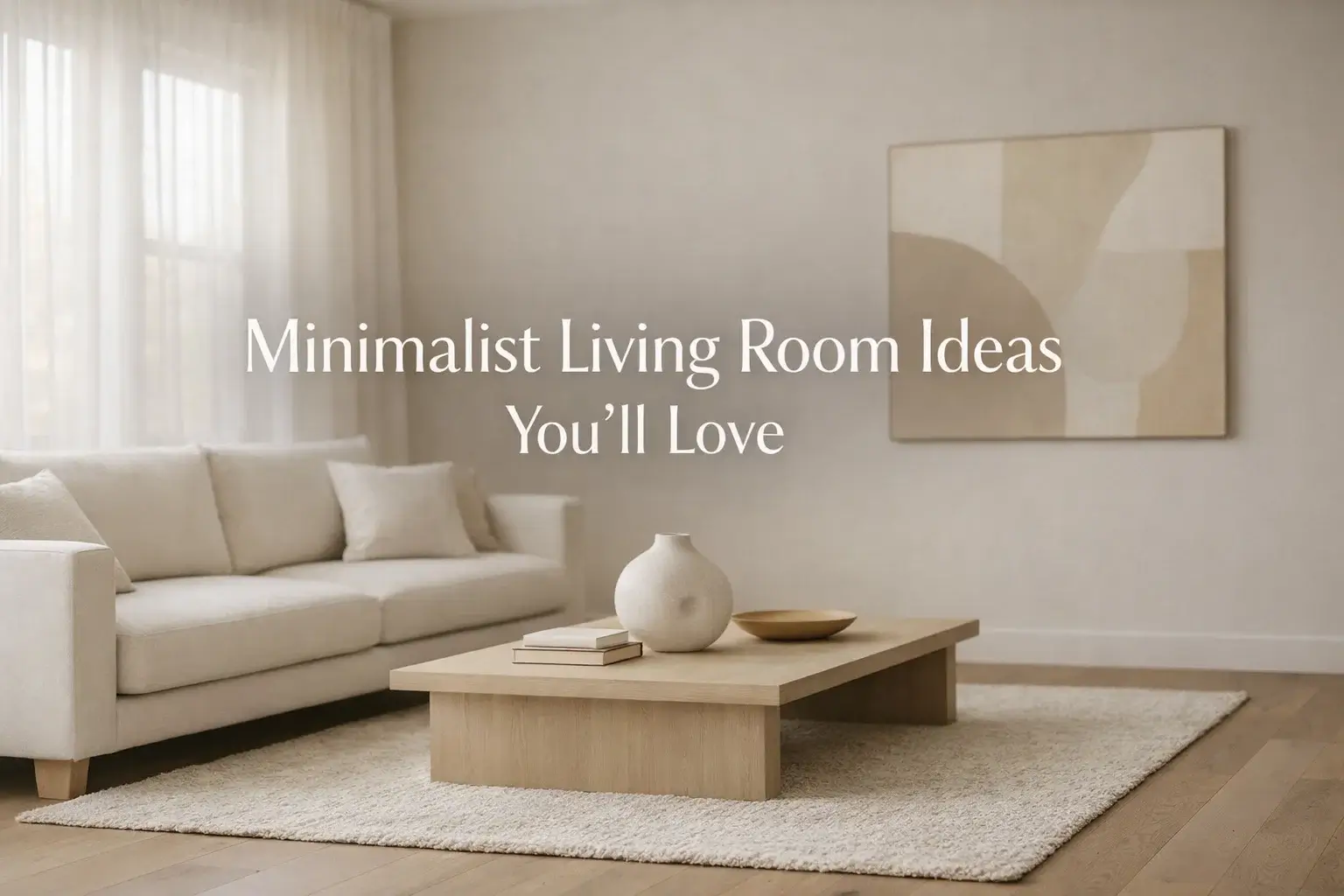
Minimalist living room design is all about clarity, simplicity, and intentional choices. In a world filled with visual noise, minimalist interiors offer a sense of calm by removing excess and focusing on what truly matters. A minimalist living room feels open, balanced, and refreshing, making it easier to relax and enjoy your space without distractions.
This design style is not about making a room feel empty or cold. Instead, it emphasizes quality over quantity, clean lines, functional furniture, and thoughtful layouts. Every element has a purpose, from furniture placement to color selection. When done correctly, minimalist living rooms feel warm, inviting, and effortlessly elegant.
In this article, you will discover eight minimalist living room ideas that are practical, timeless, and easy to apply. Whether you live in a small apartment or a spacious home, these ideas will help you create a living room that feels peaceful, stylish, and perfectly balanced.
1. Neutral Color Palette for a Minimalist Living Room
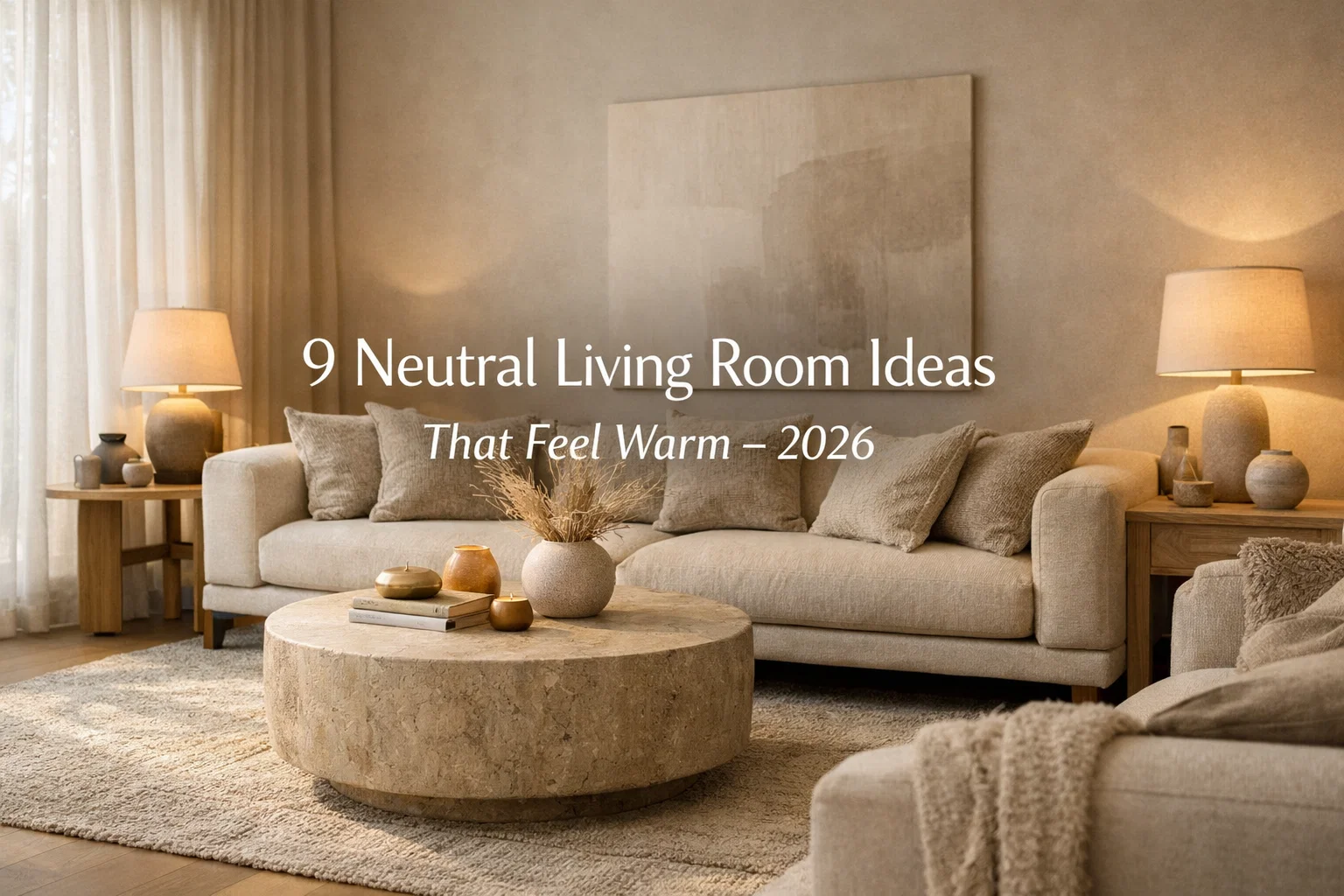
A neutral color palette is the foundation of minimalist living room design. Shades like white, beige, soft gray, and warm taupe create a calm and cohesive environment. These colors reflect light beautifully, making the room feel more open and spacious. Neutral tones also allow furniture shapes and textures to stand out without overwhelming the space.
Using a neutral palette does not mean your living room will look dull. Depth can be achieved by layering similar tones and incorporating subtle contrasts. For example, pairing off-white walls with a light gray sofa and warm wood accents adds visual interest. This approach keeps the room serene while maintaining elegance and warmth.

2. Simple Furniture with Clean Lines
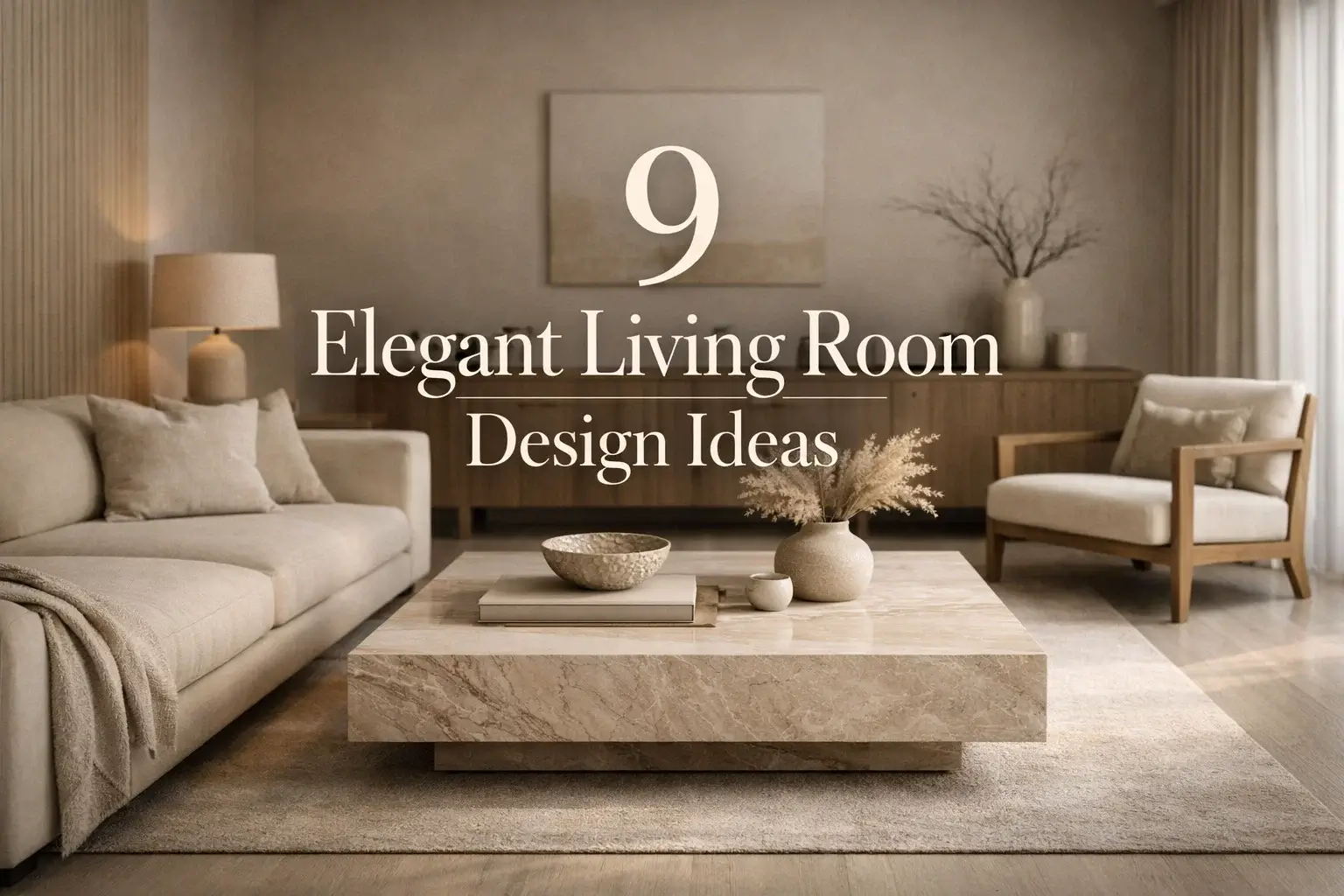
Minimalist living rooms rely on furniture with clean lines and simple silhouettes. Avoid overly decorative or bulky pieces and instead choose streamlined sofas, chairs, and tables. Furniture with slim profiles helps maintain an open and uncluttered look. This simplicity allows the room to feel calm and visually balanced.
Each furniture piece should serve a clear function. A comfortable sofa, a practical coffee table, and minimal seating are often enough. Choose high-quality materials that age well over time. By focusing on simplicity and function, your living room becomes both beautiful and easy to maintain.

3. Decluttered Layout for Open Space
A decluttered layout is essential for a minimalist living room. Open space is a key design element, allowing the room to breathe and feel more expansive. Avoid filling every corner with furniture or decor. Instead, leave intentional empty spaces that create visual rest and balance.
Arrange furniture to encourage movement and flow. Keep pathways clear and avoid overcrowding the room. A decluttered layout not only improves aesthetics but also enhances functionality. It promotes relaxation and makes the living room feel more comfortable and inviting.

4. Minimal Decor with Purpose
In minimalist design, decor should be limited and meaningful. Rather than displaying many decorative items, choose a few carefully selected pieces that add value to the space. This could include a simple vase, a sculptural object, or a single piece of artwork. Purposeful decor enhances the room without creating clutter.
Every decorative item should have a reason to be there. Focus on quality, texture, and form rather than quantity. Keeping decor minimal helps maintain a clean and organized look. This approach reinforces the calm and intentional atmosphere that defines minimalist living rooms.

5. Natural Light as a Design Feature
Natural light plays a major role in minimalist living rooms. Large windows, sheer curtains, or open layouts allow sunlight to fill the space, creating warmth and openness. Natural light enhances neutral colors and highlights clean lines, making the room feel brighter and more welcoming.
Avoid heavy window treatments that block light. Instead, use light fabrics or leave windows uncovered when privacy allows. The interaction between light and space adds depth without additional decor. Maximizing natural light helps achieve a fresh and airy minimalist aesthetic.

6. Hidden Storage for a Clean Look
Hidden storage is key to maintaining a minimalist living room. Built-in cabinets, storage ottomans, or furniture with concealed compartments help keep everyday items out of sight. This reduces visual clutter and keeps the room looking neat and organized at all times.
Choose storage solutions that blend seamlessly with your interior. Neutral colors and simple designs work best. By hiding clutter, surfaces remain clean and calm. This not only improves the room’s appearance but also supports a stress-free living environment.

7. Subtle Textures for Warmth
Minimalist living rooms benefit from subtle textures that add warmth without overwhelming the design. Materials like linen, cotton, wool, and light wood introduce softness and comfort. These textures prevent the space from feeling flat or sterile while maintaining simplicity.
Layer textures through cushions, rugs, and throws in neutral tones. Keep patterns minimal and understated. The goal is to create visual interest through material contrast rather than bold colors or decorations. Subtle textures bring balance and make minimalist spaces feel cozy and inviting.

8. Statement Piece for Visual Focus
A single statement piece can elevate a minimalist living room without compromising simplicity. This could be a unique chair, a modern light fixture, or a large piece of artwork. The statement piece becomes a focal point, adding personality and character to the space.
Ensure the statement piece stands out while remaining cohesive with the overall design. Avoid multiple focal points that compete for attention. One well-chosen element creates interest while preserving balance. This strategy keeps the living room visually engaging yet calm.

Frequently Asked Questions
What defines a minimalist living room?
A minimalist living room focuses on simplicity, functionality, clean lines, and intentional design choices. It avoids clutter and unnecessary decor.
Can minimalist living rooms feel warm and cozy?
Yes, by using natural materials, subtle textures, and warm lighting, minimalist living rooms can feel both comfortable and inviting.
Is minimalist design suitable for small spaces?
Minimalist design works especially well in small spaces because it maximizes openness and reduces visual clutter.
How many decor items should a minimalist living room have?
There is no fixed number, but fewer is better. Each item should have a clear purpose or aesthetic value.
Final Remarks
Minimalist living room design offers a timeless and practical way to create calm, functional spaces. By focusing on simplicity, quality, and intentional choices, you can transform your living room into a peaceful retreat. These eight ideas provide a strong foundation for designing a minimalist living room that feels open, stylish, and easy to live in. With thoughtful planning, minimalism can enhance both comfort and beauty in your home.